Top Stories
Mining
Survey reveals knowledge gap among Malawi women in mining on sector reforms
July 23, 2026 / Wahard Betha
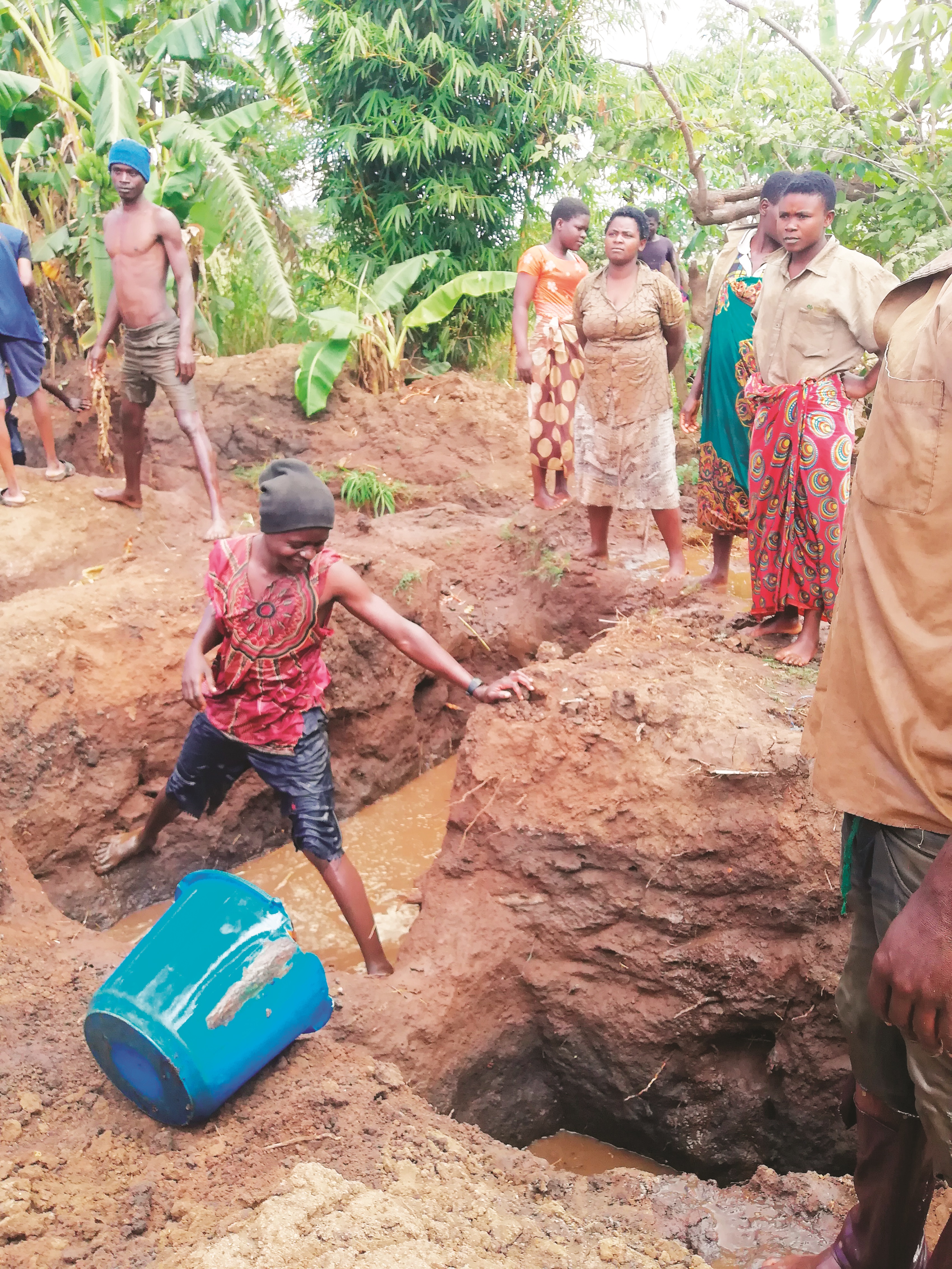
A survey conducted by the Malawi Women in Mining (MAWIMA) targeting their member cooperatives across Malawi has established that many women involved in mining activities are not aware of mining reforms that the Malawi Government is implementing in the sector.
Results of the survey highlights that a majority of women in mining are ignorant of the reforms as no one has ever approached any of their cooperatives informing them of the new laws and policies.
The survey results read: “The miners ae not aware of the reforms as there was nobody who visited the cooperatives to inform them of the current changes.”
“Some gold miners only noticed that the gold buyers from other countries were not coming to buy gold from them, a situation which left them with the option to sell their products to Reserve Bank of Malawi through Export Development Fund (EDF).”
The survey also observes that some women miners especially in the southern region are only assisted by Civil Society Organizations (CSOs) including Centre for Environmental Policy Advocacy to get paperwork done like a mining license, trade license and approvals from Malawi Bureau of Standards.
Despite the mining reforms, the women miners continue to face numerous challenges including unstable pricing at EDF where the miners are legally allowed to sell their products.
It also says the women are lacking finances to access deeper gold deposits as a result they use a lot of effort just to get little gold which does not fetch good money at EDF.
The results read: “Government and other agencies should consider creating awareness on the reforms to small scale miners.”
“There is need for financial support to acquire gold mining equipment including jack hammers and purifying equipment; access to stable markets and; strengthening cooperatives formation so that they can sell their products as a single package in order to improve their earnings and socio-economic status.”
The Mines and Minerals Act 2023 incorporates gender provisions sections which include promoting gender-balanced employment and training; prioritizing Malawian and women-owned businesses in procurement; supporting women-led enterprises near mining sites and; fair compensation and inclusive engagement with women and vulnerable groups.
The Malawi Government is spearheading empowerment of women through Innovation, Creativity and Entrepreneurship (ICE) model targeting women, youth, and persons with disabilities. The model is designed to support cooperatives, training, and enterprise development.
In an interview, Director of Policy and Planning Unit in the Ministry of Mining Patricia Zimpita said the Ministry is more committed to support women in mining understanding that they dominate the ASM subsector of the country.
“Gender inclusion in mining is not optional; it is essential. The Ministry is committed to turning legal promises into practical action. Together, with MAWIMA and all stakeholders, we can build a mining sector that works for all. Let us walk the talk on this reform journey hand in hand,” said Zampita.
Zampita said that the Ministry is committed to implement gender-responsive subsidiary regulations; launch a dedicated funding scheme for women in ASM; ensure 30% representation of women in all governance structures; institutionalize gender impact assessments for mining projects and scale up capacity-building and market access for women miners.
The Southern Africa Resources Watch (SARW) report of 2018 states that women cater for about 30 percent of Malawi’s ASM workforce.
Share this:
Leave a Comment
Comments
Mining & Trade Review News

Agribusiness News
Subscribe to Newsletter
Rehabilitation:
The establishment of a stable and self-sustaining ecosystem, but not necessarily the one that existed before mining began. In many cases, complete restoration may be impossible, but successful remediation, reclamation, and rehabilitation can result in the timely establishment of a functional ecosystem.
Archives
Remediation:
The cleanup of the contaminated area to safe levels by removing or isolating contaminants. At mine sites, remediation often consists of isolating contaminated material in pre-existing tailings storage facilities, capping tailings and waste rock stockpiles with clean topsoil, and collecting and treating any contaminated mine water if necessary.
Stakeholders Logos